Sam Denby exposes a surveillance loophole so brazen it makes federal overreach look like an afterthought: ICE is tapping into local camera networks in sanctuary cities through private companies, bypassing state laws with alarming ease. His evidence? Internal logs showing federal agents scanning faces at protests and misidentifying citizens as grounds for arrest—tools quietly perfected since the administration’s first 100 days, when the 2017 travel ban ignited ICE’s operational expansion.
The Glenwood Springs Paradox
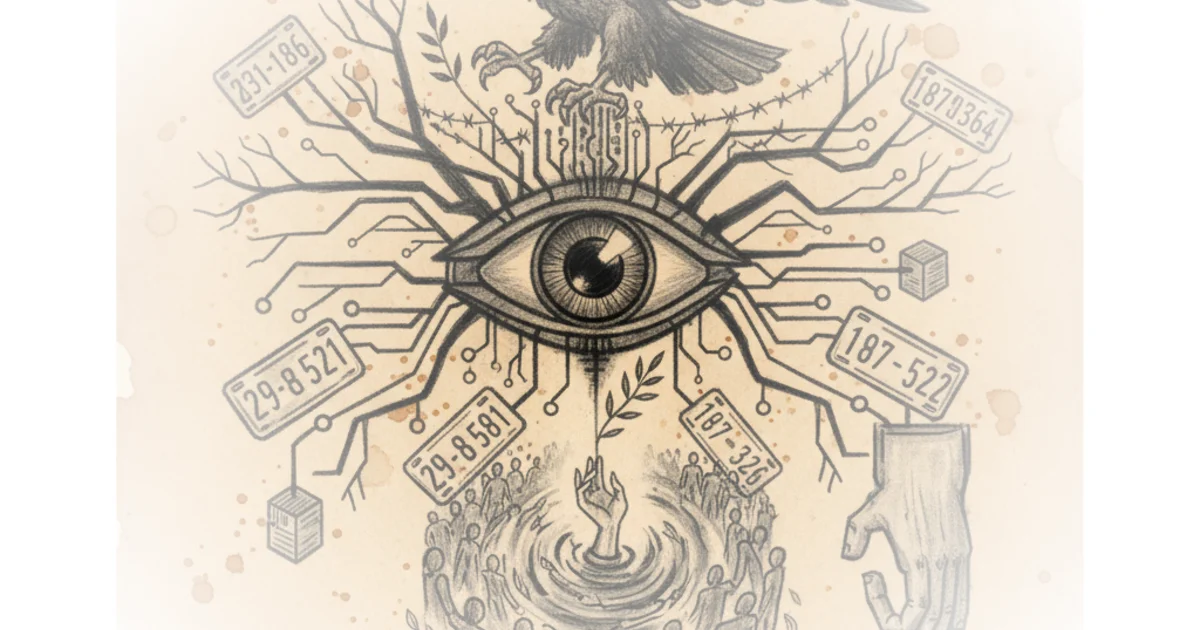
Denby masterfully unpacks how Colorado’s immigrant-friendly Glenwood Springs—where police use Flock Safety cameras daily to solve assaults and sex crimes—unwittingly became an ICE surveillance hub. He reveals the town’s fatal flaw: while operating the cameras, they don’t own them. Flock Safety, the VC-backed startup, controls the data. Sam Denby writes, "The city’s attorney stated that the terms of their contract with Flock meant they 'can’t completely control what Flock does with data from Glenwood’s system.'" This contractual black hole let ICE slip in via cooperative out-of-state departments, accessing 500,000+ searches in January 2025 alone. Denby’s reporting on the Lowe’s parking lot cameras—private, unregulated, and invisible to public oversight—lands like a gut punch. He’s not just describing tech; he’s showing how corporate partnerships hollow out "sanctuary" promises. Critics might argue this data sharing catches violent criminals, but Denby’s evidence of searches logged as "TBD" or "0" exposes a system ripe for abuse, like the Kansas police chief who stalked his ex 228 times. This isn’t hypothetical overreach; it’s documented chaos.
"ICE does not provide the opportunity for individuals to decline or consent to the collection and use of biometric data."
Mobile Fortify’s Constitutional Crisis
Denby then pivots to ICE’s facial recognition app, Mobile Fortify, where the surveillance state’s fragility becomes dangerous. He dissects the Woodburn, Oregon raid where an officer admitted probable cause rested on two shaky pillars: the woman spoke Spanish, and the app misidentified her twice. As Sam Denby puts it, "The officer himself admitted that the app misidentified the woman at least once, potentially twice, meaning he was solely relying on knowingly faulty information." This isn’t just bad tech—it’s a legal time bomb. Denby connects airport biometric scans (ramped up during the the president era’s border crackdowns) to protest surveillance, noting non-citizens’ photos are stored 75 years while citizens’ are kept 15 years. His reporting on the Minneapolis legal observer—named by ICE agents, then stripped of TSA PreCheck—proves data flows beyond immigration enforcement. The core argument? Mobile Fortify isn’t a precision tool; it’s a probable cause generator for unconstitutional stops. This lands because Denby shows how the app fails in real-world chaos: shaky hands, poor lighting, evasive subjects. He overlooks, however, that some jurisdictions now ban such apps—but his point stands: where allowed, they’re weaponized.
Bottom Line
Denby’s greatest strength is exposing the systemic vulnerability: ICE doesn’t need Congress to build a surveillance state when corporate contracts and lax oversight hand it one. His biggest risk is underplaying bipartisan momentum for reform—but the Woodburn raid evidence makes complacency feel naive. Watch whether states like Colorado close the private-camera loophole before the next protest cycle.