This piece cuts through the polite fiction that American politics is a marketplace where the best ideas naturally win. Mehdi Hasan argues that the Democratic Party's fatal flaw isn't a lack of good policy, but a pathological fear of wielding power. He posits that while the party believes in the sanctity of compromise and incrementalism, their opponents operate with a ruthless clarity that rewards strength over virtue, a dynamic that has cost Democrats the White House repeatedly despite governing competence.
The Myth of the Good Fight
Hasan dismantles the long-held Democratic belief that being "good" is a winning electoral strategy. He writes, "Democrats quaintly believe that being good is good enough to win elections." This framing is sharp because it exposes a fundamental disconnect between the party's self-image and political reality. The author suggests that Democrats view themselves as the cleanup crew for Republican disasters, yet voters care about the present moment, not the cleanup of the past. As Hasan notes, "They never get any credit for it, because the voters care about today and tomorrow, not yesterday or the next decade."
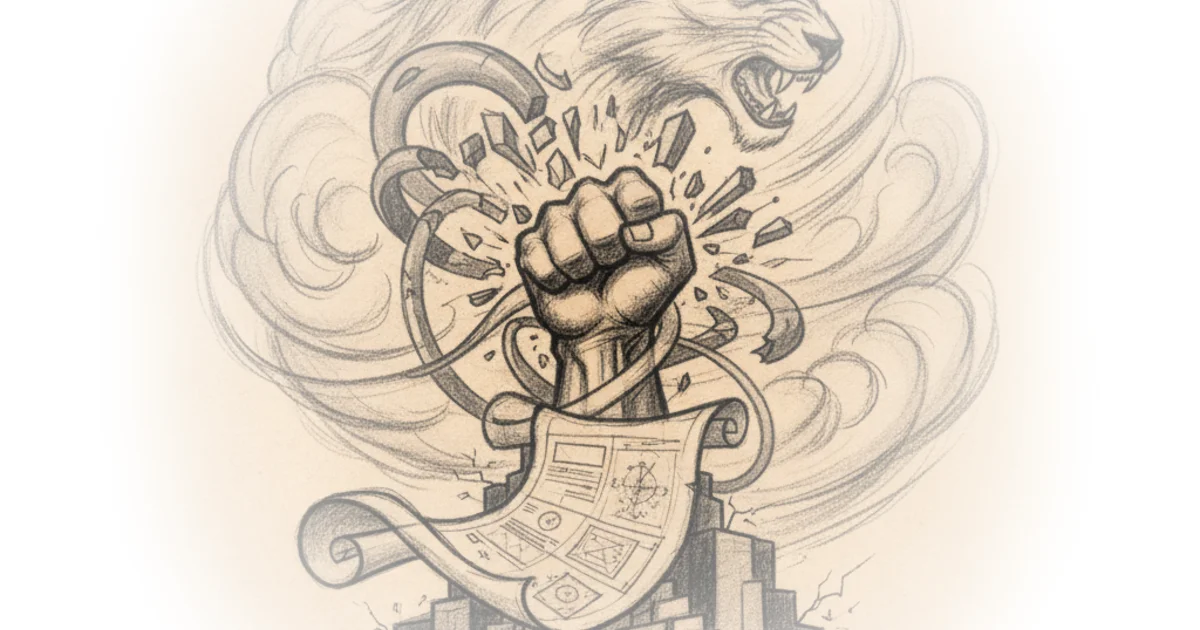
The commentary here is particularly effective when it contrasts the Democratic approach with the Republican strategy of "swaggering virility." The author argues that Republicans understand that voters often prefer a leader who appears strong and decisive, even if they are wrong, over one who is right but hesitant. Hasan cites a blunt truth from Bill Clinton regarding the 2004 election: "When people feel uncertain, they'd rather have somebody who is strong and wrong than someone who's weak and right." This historical reference to the John Kerry campaign underscores a recurring theme: the failure to project strength is a political liability that no amount of policy correctness can overcome.
Democrats love to tell themselves that good policy makes for good politics. They believe that they can unite the country by being smarter or more sincere than the other side. It's a messiah complex.
Critics might argue that this analysis places too much weight on messaging and aggression, potentially overlooking structural issues like gerrymandering or the Electoral College. However, Hasan's point is that even when Democrats win the popular vote decisively, their governing style often cedes the narrative ground to opponents who are more willing to fight.
The Paralysis of Institutionalism
The piece shifts to a scathing critique of the Biden administration's risk aversion, drawing on interviews with former officials who felt "hamstrung by their own inhibitions." Hasan highlights the Department of Labor's failure to aggressively pursue corporate wage theft, quoting Acting Secretary Julie Su: "What we needed was to meet that moment with boldness. There was too much hesitation." This admission from within the administration validates the central thesis: the fear of political backlash often paralyzes necessary enforcement actions.
Hasan extends this critique to the Justice Department's handling of the January 6 insurrection. He describes Attorney General Merrick Garland's cautious timeline, noting that he waited a full year to announce an investigation and rejected recommendations to expand the inquiry to include the instigator himself. The author writes, "It was typical of the Biden team, who tied themselves down in the pursuit of good government, relying too heavily on the bureaucratic process and measurements such as cost-benefit analyses." This section is powerful because it reframes "good governance" not as a virtue, but as a self-defeating strategy that allowed political opponents to delay and obstruct.
The argument suggests that the administration's fear of being labeled a "witch hunt" or causing a "funding flop" led to a paralysis that was politically fatal. Hasan points out that the Solyndra scandal from the Obama era cast a long shadow, causing the Biden team to move too slowly on green energy investments. "They couldn't do enough because they were afraid of doing too much," he writes. This analysis forces a reevaluation of what constitutes responsible leadership in a polarized environment where the opposition does not play by the same rules.
The Failure of the Cleanup Narrative
Hasan challenges the notion that Democrats can win by simply being the reasonable alternative to chaos. He argues that the party has repeatedly tried to position itself as the "cleanup squad" after Republican terms, only to find that voters do not reward this role. "Bill Clinton was cleaning up the deficits... Barack Obama was cleaning up the wars... Joe Biden was cleaning up the pandemic," Hasan observes. "But they won't get any credit for it, because the voters care about today and tomorrow."
The author uses the 2010 midterm elections as a historical anchor, noting that even a president with generational communication skills like Barack Obama admitted his mistake was thinking "this job was just about getting the policy right." Obama's own reflection, "We've got to sell it. We've got to reach out to the other side and, where possible, persuade," is cited to show that even the most articulate leaders recognized the failure to build a narrative of unity and purpose. However, Hasan counters that the problem wasn't just the selling; it was the belief that the policy itself should have been enough.
Strong and wrong beat weak and right. Somehow, when people talk about an evenly divided country, they are talking only about the times when Republicans win the White House.
The piece concludes by contrasting the Democratic approach with the aggressive re-election strategies of Clinton and Obama, who "attacked their opponents early and often." Hasan suggests that the current Democratic leadership lacks this willingness to "muscled their way back to power by destroying their opponents." The reference to the 2010 Blue Dog Coalition and the broader history of party discipline serves as a reminder that the party has long struggled to maintain a unified front against a determined opposition.
Bottom Line
Hasan's most compelling argument is that the Democratic Party's adherence to institutional norms and a belief in the inherent value of compromise is a strategic liability in a political ecosystem where the opposition operates without such constraints. The piece's greatest vulnerability is its potential to oversimplify the complexity of governing a diverse nation, where boldness can sometimes alienate key swing voters. However, the core insight—that voters reward perceived strength and clarity over bureaucratic caution—remains a critical lesson for any party seeking to reclaim power in a fractured democracy.