Robin James delivers a startling diagnosis for the current cultural moment: the era of "cool"—defined by emotional intelligence and ironic detachment—is dead, replaced by a rigid, ancient-style puritanism obsessed with domination and the total rejection of femininity. This isn't just a critique of internet trolls; it's a structural analysis linking the rise of the manosphere to the collapse of the modern aesthetic regime and the financialization of "vibes." For busy readers trying to decode why so many influential voices seem so hostile to art, emotion, and nuance, James offers a roadmap that connects 2,500-year-old Greek philosophy to the crypto-bro economy.
The Death of Cool and the Return of Ancient Puritanism
James begins by dismantling the behavior of today's most prominent male influencers, noting that figures like Jordan Peterson and Andrew Tate are "entirely unconcerned with being cool or, like Elon, exceptionally bad at it." Instead of the transgressive, avant-garde masculinity of the past, James argues we are seeing a shift toward "the vehement avoidance of feminization." The author points to extreme dietary choices and the shaming of any interest in style as evidence that for these figures, "if eating vegetables is girly, then real men should abstain." This framing is crucial because it moves the conversation beyond individual eccentricity to a systemic rejection of traits historically coded as feminine.
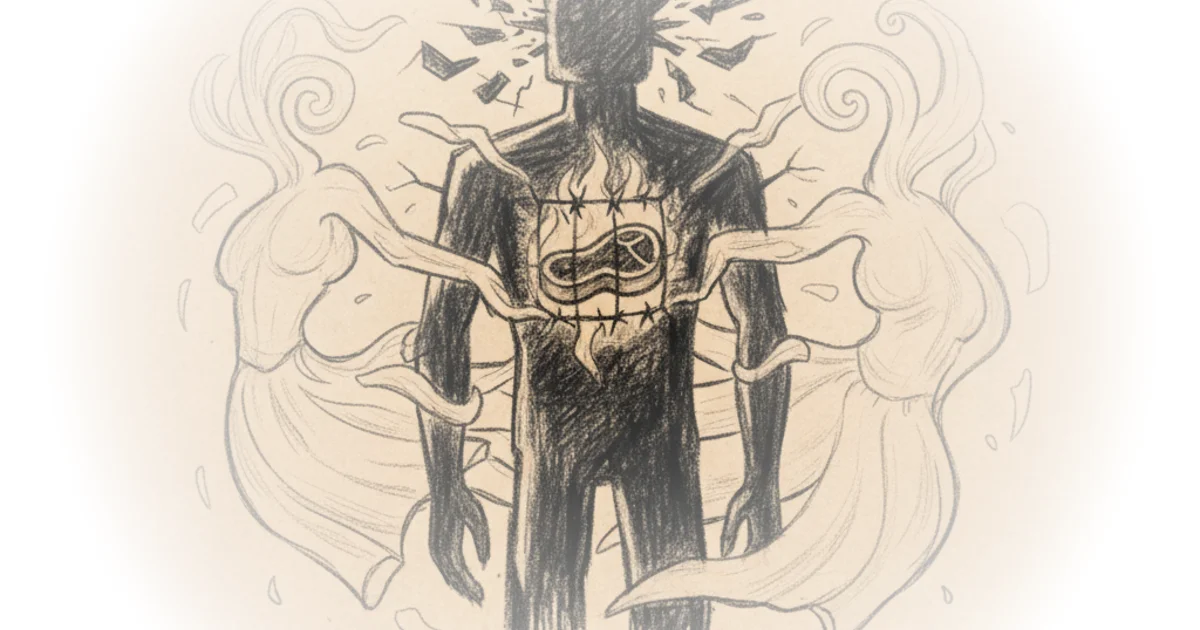
The piece draws a sharp line between modern "cool," which appropriated feminine traits to create a new kind of elite masculinity, and the current trend, where femininity is "something to be rejected, not appropriated." James writes that for these influencers, "to be a man was to be full master of both oneself and others, top of a supposedly natural hierarchy of ruler and ruled." This is a powerful reframing: the outrage we see online isn't just anger; it's a desperate attempt to maintain a metaphysical hierarchy that modernity tried to dismantle. Critics might argue that this view of ancient Greek philosophy is too monolithic, ignoring the complex debates within those traditions, but James effectively uses the "puritanism about virility" concept to explain the current rigidity.
Cool is the product of a modern aesthetic and political project designed to upend these precise hierarchies.
The Politics of Aesthetics and the Loss of Receptivity
The commentary deepens by tracing the history of how Western thought separated art from life. James explains that the Enlightenment created an "aesthetic regime" where art was freed from function, allowing a mug to be made of fur if it served as art. However, this freedom came at a cost: it demanded a "disinterested" judgment that stripped away emotion and the body. James notes that this intellectualized view of aesthetics "aligns with the stereotypical features of white masculinity" while dismissing feeling as inferior. The result, as James puts it, is that separating feeling from art "makes that experience…no fun." This is a vital insight for readers navigating a culture that often feels sterile and performative; the problem isn't just bad taste, but a philosophical tradition that outlawed genuine receptivity.
The author contrasts this with the origins of "cool" in Black vernacular culture, citing bell hooks to show that true cool was a "knowing disidentification with hegemonic authority" and a survival strategy. James writes, "Cool was about the ability to withstand the heat and remain centered." This historical context is essential because it reveals that the current rejection of cool is actually a rejection of a specific kind of Black-coded emotional intelligence. The shift back to "white masculine cool" in the 20th century was a form of appropriation, but the current trend is different. As James observes, "the pop culture masculinities circulated by techbros and manosphere influencers is not about appropriating femininity and non-whiteness in order to re-connect with feeling and sensory pleasure, but about domination." This distinction is the piece's analytical anchor, separating the performative rebellion of the past from the authoritarian control of the present.
The Financialization of Vibes and the New Enclosure
Perhaps the most provocative section of the piece connects this cultural shift to the political economy of media. James argues that the old model of capitalism extracted value by turning ephemeral Black performance traditions into legible property, like sheet music. Today, however, the enclosure has moved to the realm of "vibes." The author explains that "ephemeral speculative realities are the ground zero of capitalist enclosure," where firms like OpenAI stay afloat by selling belief in a revolutionary future. This is a brilliant synthesis of cultural theory and economic reality, suggesting that the obsession with "vibes" isn't just a marketing gimmick but a fundamental shift in how value is created.
James illustrates this with the case of crypto founder Jeffrey Yu, who faked his death to pump his coin, and notes that the manosphere is "basically a get-rich-quick scheme that promises exponential wealth and viral influence." The argument is that these influencers sell "self-discipline and misogyny as vibes," turning them into financial windfalls. The author writes that "a body…is not the vehicle through which we experience joy and pleasure…it is a collection of features…to increase the value of our assets." This reduction of the human body to an asset class explains the harsh, anti-pleasure stance of the manosphere: if the body is just a vehicle for wealth accumulation, then anything that threatens that accumulation—like the messiness of emotion or the "feminine" act of enjoying art—must be purged.
Selling little more than self-discipline and misogyny as vibes, these influencers turn those vibes into winfalls of wealth.
A counterargument worth considering is whether this economic determinism overlooks the genuine ideological appeal of these movements to people who feel left behind by the economy. While the financial incentives are clear, the emotional resonance of the message suggests a deeper cultural crisis that money alone cannot explain. However, James's point that the "mission to build stockpiles of private wealth through personal responsibility aligns just as cozily with neoliberal ideals" remains a compelling critique of the underlying logic.
Bottom Line
Robin James's analysis is a masterclass in connecting the dots between ancient philosophy, aesthetic theory, and the modern crypto-economy to explain the rise of a new, hostile masculinity. The strongest part of the argument is the identification of "vibes" as the new frontier of capitalist enclosure, which reframes the manosphere not as a political movement but as a financial strategy. The biggest vulnerability lies in the potential to overstate the coherence of this "new regime," as cultural shifts are rarely as linear or unified as the theory suggests. Readers should watch for how this "puritanism about virility" evolves as the speculative economy faces real-world friction, and whether the rejection of "cool" can sustain itself when the promise of viral wealth fails to materialize.