In a landscape where sports executives typically dismiss fan backlash as mere noise, this piece from Reason makes a startling pivot: it validates the complaints of the public against the NCAA. The argument is not that change is inherently bad, but that the timing and execution of these expansions are strategically disastrous for an organization already facing existential legislative threats. For the busy listener, this offers a rare glimpse into the collision of corporate greed and political vulnerability, suggesting that the NCAA is betting its future on a gamble that could backfire spectacularly.
The Illusion of Growth
The piece opens by dismantling the assumption that more games automatically equal more revenue. Reason reports, "Going from 67 games to 75 games means more commercials for TV broadcasters, which means more TV money for the NCAA, which means more money distributed to schools and conferences." However, the editors immediately undercut this logic by noting the current television deal has six years remaining, meaning broadcasters are under no obligation to pay extra simply because the schedule has bloated. The argument gains traction when it highlights the hidden costs: the NCAA must now cover transportation and lodging for additional teams, a financial burden that forces the introduction of more in-game advertising, including alcohol promotions.
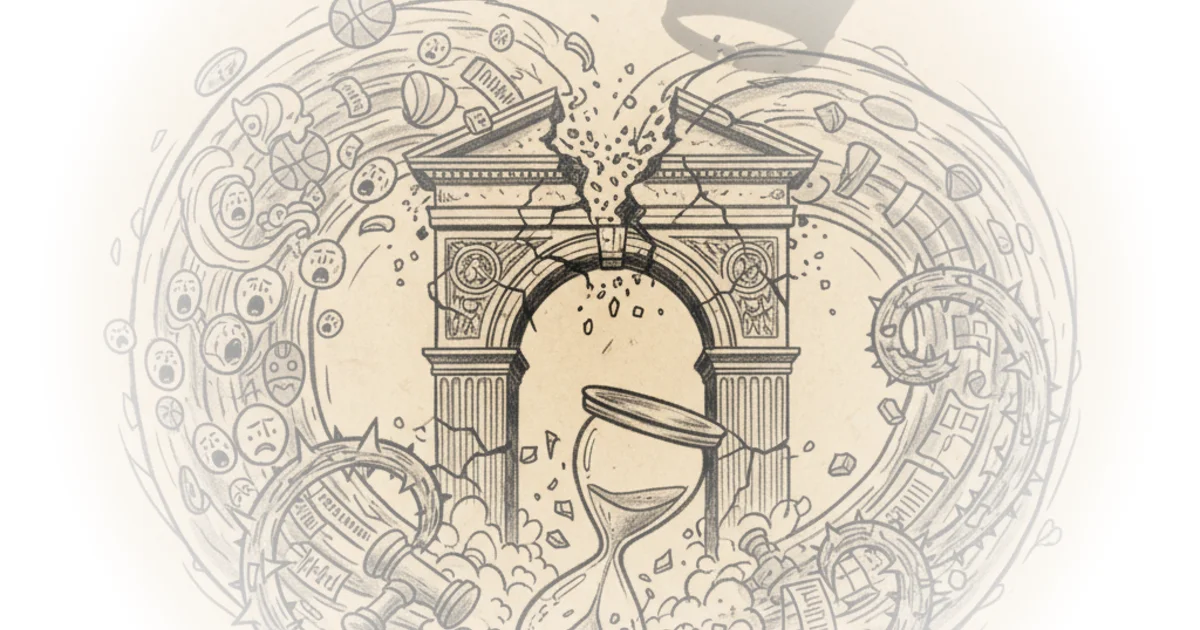
This is a classic case of confusing inventory with value. The piece argues that the motivation for the change is purely financial, yet the execution ignores the consumer experience. "The NCAA is adding inventory while diluting the product, messing with the sacred bracket pools that make the tournament so widely appealing, and making games more unwatchable with more in-game ads." This observation is sharp because it identifies the specific mechanism of failure: the dilution of the tournament's core appeal. By forcing even previously automatic qualifiers into a new "March Madness Opening Round," the NCAA is creating a scenario where mid-major schools swallow each other up in play-in games rather than facing higher seeds in the main bracket.
The NCAA is adding inventory while diluting the product, messing with the sacred bracket pools that make the tournament so widely appealing, and making games more unwatchable with more in-game ads.
Critics might argue that the expansion is necessary to keep mid-major schools financially viable in an era of conference realignment, similar to the chaotic shifts seen in the 2021–2026 realignment period. Yet, the piece counters that the current format already favors the largest schools with massive fan bases, noting that the "First Four Out" teams—Oklahoma, Auburn, San Diego State, and Indiana—all have student bodies exceeding 30,000. The expansion seems less about saving the little guy and more about padding the bottom line of the power conferences.
Devaluing the Rivalry
The commentary shifts to college football, where the proposed expansion to a 24-team playoff is described as an even more aggressive assault on the sport's traditions. The piece notes that the American Football Coaches Association is pushing for "the maximum number of participants," a move that would effectively kill conference championship games and devalue the regular season. The editors ask a series of rhetorical questions that strike at the heart of why fans care: "What if the Kick Six was merely a historical sidenote in a game that only decided which team was getting a playoff bye instead of a game with massive stakes?"
This framing is particularly effective because it connects the abstract concept of "playoff expansion" to the emotional core of college football: rivalry. The piece warns that "Devaluing the regular season's rivalry games in favor of a first-round playoff game between two teams with no history could end up backfiring." It paints a picture where a team could "Lose to every ranked opponent on your schedule" and still make the playoffs, a scenario that Blake Toppmeyer of USA Today is quoted as describing as a world where mediocre teams can "scarf down a few cupcake wins" and claim success.
The argument here mirrors the concerns raised during the 2027 IIHF World Championship discussions, where the balance between commercial expansion and competitive integrity was a central theme. Just as international hockey bodies have struggled to maintain the prestige of their tournaments while adding games, the NCAA risks turning the most intense weekend of the college football calendar into a mere qualifier for a larger, less meaningful playoff.
A Precarious Political Moment
Perhaps the most critical insight of the piece is the timing of these unpopular decisions. The editors point out that the NCAA is making these moves just as the House of Representatives prepares to vote on the SCORE Act, legislation that would regulate the organization and grant it antitrust exemptions. "If your entire operating model was possibly going to get upended by Congress, you'd probably want to make sure public sentiment is on your side," Reason writes. Instead, the NCAA is alienating the very fans whose support could sway lawmakers.
The piece details the political tightrope: Republicans are generally sympathetic to the NCAA's desire for an exemption, while Democrats prefer to recognize athletes as employees. The vote is described as "hanging by a razor's edge," with a previous attempt to pass the bill failing in December. By making decisions that frustrate fans, the NCAA risks giving representatives a reason to vote against the bill or, worse, to support a version that is more restrictive of the organization's power.
If your entire operating model was possibly going to get upended by Congress, you'd probably want to make sure public sentiment is on your side.
The editors note that the bill includes provisions that would ban state-level regulations on name, image, and likeness (NIL) payments and declare that student athletes are not employees. However, the piece also highlights new, more restrictive changes, such as a five-year eligibility rule and prohibitions on recruiting coaches during the season. These details suggest that the legislative landscape is far from settled, and the NCAA's current strategy of ignoring fan sentiment could be its undoing.
Bottom Line
The strongest part of this argument is its synthesis of fan sentiment, financial logic, and political reality, revealing a perfect storm of mismanagement. The NCAA's biggest vulnerability is its assumption that revenue growth can be forced through expansion without regard for the product's integrity or the political climate. The reader should watch for the upcoming vote on the SCORE Act, as the NCAA's recent unpopular moves may well be the tipping point that derails the legislation it desperately needs.