Emily Kramer argues that the era of churning out content and waiting for inbound leads is officially dead, replaced by a volatile landscape where artificial intelligence has flooded the market with sameness and eroded traditional search traffic. Her most striking claim is that the solution isn't more automation, but a radical shift toward "Gen Marketers"—generalists who blend human storytelling with AI efficiency to execute high-impact, account-driven campaigns. This is not just a tactical update; it is a fundamental restructuring of how B2B companies must define growth in an age where buyers no longer rely solely on search engines.
The Ripple Effect of Automation
Kramer begins by dissecting the immediate consequences of generative AI, noting that while the technology removed production bottlenecks, it created a new problem: "Flood of derivative content: With everyone publishing more, sameness dominates." She observes that the old playbook of volume-based SEO is flatlining as buyers shift their behavior, asking large language models for answers rather than clicking through to websites. "Your carefully optimized website may never get the visit," she writes, highlighting a critical vulnerability for companies that have invested heavily in traditional search engine optimization. This observation holds significant weight; it forces leaders to confront the reality that their digital real estate is becoming less valuable as the gatekeepers of information change from search algorithms to AI chatbots.
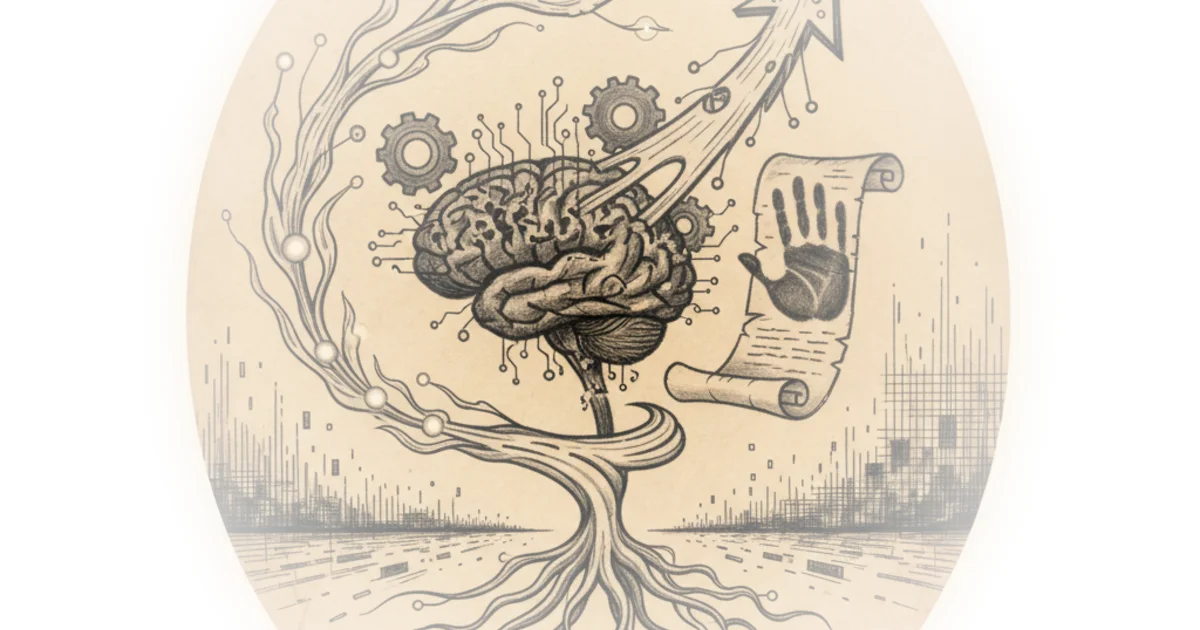
The author further explains that the ease of accessing detailed company and person-level data has led to "Outbound saturation: With inbound losing steam and AI making account and signal data easy to access, outbound volume has exploded—flooding inboxes and LinkedIn with spam." This creates a paradox where precision targeting is easier than ever, yet breaking through the noise is harder. Kramer suggests that the old distinction between marketing, sales, and success roles is blurring, forcing teams to align tightly around shared accounts rather than siloed functions. A counterargument worth considering is that this shift places an immense cognitive load on individual marketers, who must now master data science, creative strategy, and ecosystem management simultaneously. While the "Gen Marketer" concept is compelling, the risk of burnout for generalists trying to do the work of three specialists is a real operational hazard.
Standing out has become harder, not easier: Audiences are overwhelmed by volume, yet marketers keep churning out more thinking it will save the day.
The New Playbook: Authenticity and Alignment
To navigate this chaos, Kramer proposes a new framework built on four pillars, starting with a fierce commitment to authenticity. She argues that in a sea of AI-generated noise, the only sustainable competitive advantage is a unique voice. "When making marketing 'fuel' (aka brand & content), make work only your company could make," she advises, urging teams to stop creating content unless they have a clear distribution strategy and a distinct point of view. This is a necessary corrective to the current trend of using AI to scale mediocre content. The author warns that audiences are becoming "allergic to AI," noting that even her own use of em-dashes has been flagged by readers as a sign of machine generation. This human element is the crux of her argument: technology can scale production, but it cannot manufacture trust.
The second pillar involves shifting from a reactive inbound model to a proactive, account-driven foundation. Kramer writes, "Inbound is still useful, but being reactive isn't enough to keep pace now. You need a proactive strategy: know exactly who you're going after, then figure out the best ways to reach them with the right content." She emphasizes that this is not merely a return to old-school account-based marketing (ABM) but a holistic approach where every team member understands the target audience's motivations and pain points. The argument here is that data accessibility allows for a level of precision that was previously impossible, but only if the organization is willing to align its entire go-to-market engine around specific accounts rather than broad lead generation.
Critics might note that a purely account-driven approach could alienate smaller, emerging customers who don't fit the initial ideal customer profile, potentially causing companies to miss out on unexpected market segments. However, Kramer's focus on "Tier 1" accounts as a starting point suggests a scalable methodology that can evolve as data improves. The third and fourth tenets involve running coordinated, high-impact campaigns and staffing teams with AI-powered generalists. She warns against "Random Acts of Marketing," or RAM, advocating instead for "big-bet campaigns" that combine creative storytelling with strategic distribution. "Success requires cross-functional planning, a single DRI, and a GACCS Brief to align goals, audience, creative, channels, and stakeholders," she states, emphasizing that the era of fragmented, channel-specific tactics is over.
The old playbook, built on leads, channels, and siloed functions of specialists, simply can't keep up.
Bottom Line
Kramer's analysis is strongest in its diagnosis of the "sameness" problem; the insight that AI has democratized content creation to the point of devaluing it is a crucial strategic pivot for any B2B leader. However, the prescription relies heavily on the availability of versatile "Gen Marketers," a talent profile that is currently scarce and difficult to cultivate at scale. The most critical takeaway for busy executives is that the window for reactive adaptation is closing; the next phase of growth belongs to those who can orchestrate human creativity with AI efficiency to build genuine ecosystem trust.
When making marketing 'fuel' (aka brand & content), make work only your company could make.