This investigation strips away the mystique of the 'undefeated champion' to reveal a calculated pattern of financial speculation that leverages religious devotion and cultural heritage. Chris Dalby does not merely list transactions; he constructs a damning timeline showing how a legacy of discipline is being systematically repackaged as high-risk digital assets for a global fanbase. The piece is notable for its refusal to accept the 'halal' label as a shield against scrutiny, exposing the friction between ethical finance and aggressive crypto marketing.
The Papakha Precedent
The article opens with a jarring case study: the sale of 29,000 digital sheepskin hats on Telegram, which generated $4.35 million in a single day. Dalby notes that the controversy deepened when the campaign invoked the memory of Khabib's father, Abdulmanap, a devout Muslim who taught his son discipline. "Once the 29,000 hats were gone and the funds secured, Khabib's announcement posts and promotional videos quietly vanished from Instagram and X, triggering accusations of a 'sell-and-scrub' maneuver." This framing is crucial. It shifts the narrative from a simple marketing campaign to a potential exploitation of grief and tradition.
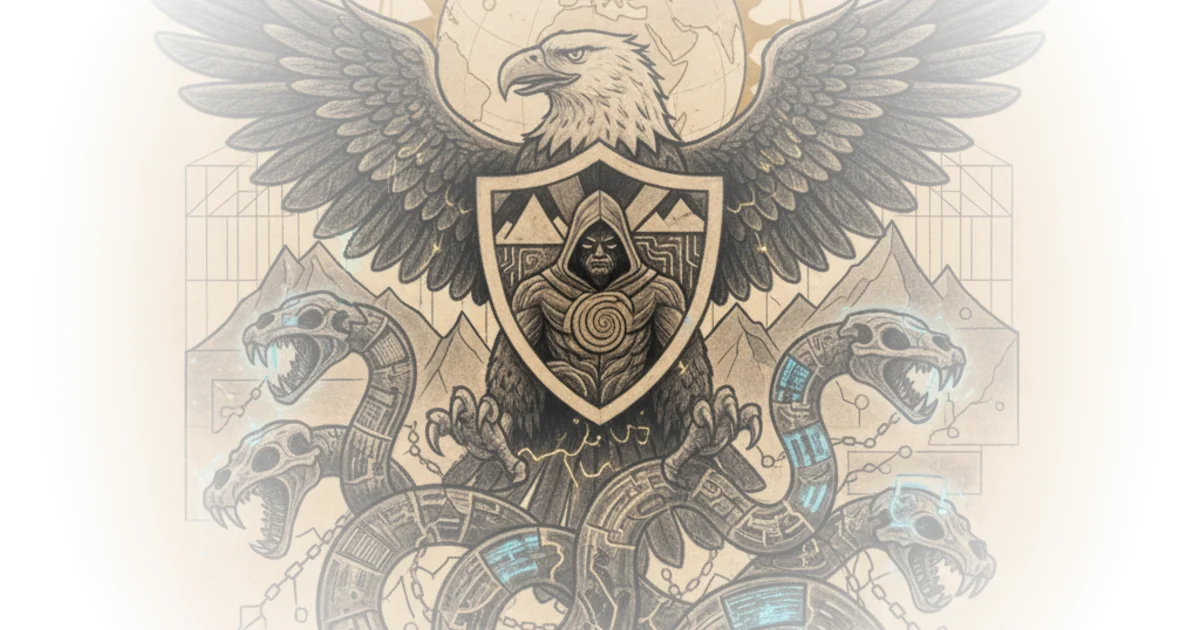
The speed of the disappearance suggests a lack of long-term value creation. Dalby argues that the primary selling point was simply owning a piece of the "Eagle" on the blockchain before the market exploded, a classic tactic of selling hype rather than utility. Critics might argue that digital collectibles are inherently volatile and that fans are willing participants in speculative markets. However, the "sell-and-scrub" dynamic implies an asymmetry of information where the promoter exits while the holders are left with assets that cannot be resold.
The Illusion of Scarcity
Dalby traces the roots of this behavior back to April 2021 with the "Legacy Cards" NFT drop. The structure was a pyramid of exclusivity, with a single Diamond card priced at $290,000. The author highlights the mechanism used to protect the project's image: "The 'burn' clause (destroying unsold cards to artificially boost value) was the failsafe; if they didn't sell, they would be deleted to pretend demand was higher than it was." This is a sophisticated manipulation of market psychology, creating an illusion of demand where none exists.
The argument here is that these ventures function as a "pure wealth transfer from the believer to the icon, with no residual value left behind." The evidence supports this: the cards have no secondary market, and the promised "unlockable content" has evaporated. This mirrors historical issues in Islamic finance where the form of a transaction is structured to comply with religious law, but the substance remains speculative. Just as early Islamic banking had to navigate the prohibition of riba (interest) without creating new forms of exploitation, modern "halal" crypto ventures often use religious branding to bypass the skepticism usually applied to high-risk assets.
It was a pure wealth transfer from the believer to the icon, with no residual value left behind.
The Halal Paradox
The most complex section of the piece examines the partnership with Wahed Invest, a regulated robo-advisor. Dalby acknowledges that unlike the Telegram drop, this is a legitimate financial institution with physical branches and regulatory filings. Yet, he points out a dangerous conflation: "The controversy lies elsewhere: in the way his moral authority is repeatedly mobilised to sell complex, sometimes volatile financial products to people who may conflate 'permissible under Islamic law' with 'prudent for my savings.'"
This is the article's most uncomfortable insight. The partnership leverages Khabib's reputation to lower the psychological barrier for first-time investors. Dalby notes that while the platform is real, the marketing has drawn formal rebukes, including a six-figure SEC penalty and a ban by the UK's Advertising Standards Authority for misleading ads. The tension is palpable: the product is Sharia-compliant, but the marketing strategy feels like a grift. This reflects a broader historical trend where the halal certification, once a guarantee of ethical purity, has become a marketing hook that can obscure the inherent risks of market volatility.
The Mining Mirage
The investigation then moves to GoMining and the Ice Open Network (ION), where the pitch shifts from collectibles to "passive income." Dalby describes the GoMining model as selling a "digital receipt for a machine they will never see, controlled by a company they cannot audit." The promise of daily Bitcoin rewards for holding an NFT is framed as a way to turn Khabib's image into a "synthetic mining rig."
The author is particularly critical of the opacity: "Retail buyers were sold exposure to 'Khabib-backed' mining without any meaningful visibility." This lack of transparency is the hallmark of many crypto schemes. The risk is entirely on the fans; if the company changes terms or collapses, the digital receipt becomes worthless. The ION scheme, which relies on users tapping a button daily, is described as a model where the "cost" was time, attention, and data. Dalby observes that while the app claimed 20 million users, the token distribution heavily favored the founding team, with only 28% reserved for user mining.
Bottom Line
Chris Dalby's strongest argument is that the danger lies not in criminal fraud, but in the systematic erosion of trust through the weaponization of moral authority. The piece effectively demonstrates how a reputation built on discipline and faith can be monetized through speculative vehicles that offer little to no tangible value. The biggest vulnerability in the author's case is the lack of direct evidence of intent to defraud, yet the cumulative pattern of "sell-and-scrub" maneuvers and regulatory warnings paints a clear picture of a high-risk ecosystem. Readers should watch for how these "halal" and "community-focused" narratives are used to bypass the skepticism that usually protects investors from volatile crypto assets.