Fred Mills doesn't just report on a construction project; he exposes a high-stakes gamble where engineering ingenuity collides with a fractured legal system. The most startling claim isn't that Denver needs more water—it's that the solution involves a globally unprecedented engineering feat: transforming a gravity dam into an arch dam by building a new structure directly on top of the old one. In an era of climate volatility, this story matters because it reveals how even the most robust infrastructure can be paralyzed by the very environmental crises it aims to solve.
The Engineering Paradox
Mills frames the Gross Reservoir expansion as a race against time and nature, noting that "Denver Water announced that daily users had risen to 1.5 million people, 100,000 higher than just 4 years before." The core of his argument is that the existing infrastructure, built in the 1950s, is simply insufficient for a modern, growing metropolis facing extreme weather swings. He highlights the sheer audacity of the plan: "Building a 471 ft concrete dam in 2025 is a challenging endeavor on a number of fronts. That is big under any standards throughout the world and it's extremely rare what we're tackling." This framing is effective because it shifts the narrative from a mundane utility upgrade to a monumental feat of human capability.
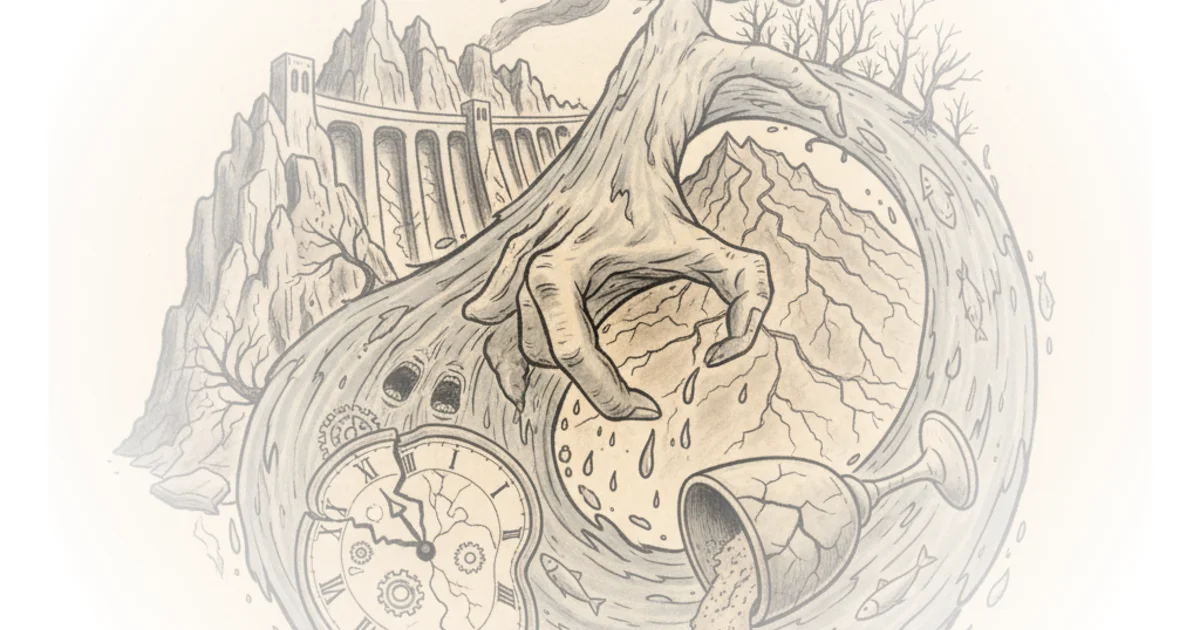
The author details the technical shift from conventional concrete to roller-compacted concrete (RCC), a method that allows for faster curing and reduced carbon emissions. "We're going to overlay that with over 700,000 yards of new roller compacted concrete," Mills explains, emphasizing the scale of the material science involved. This choice isn't just about speed; it's about structural integrity in a changing climate. However, this engineering marvel is built on a precarious foundation of legal uncertainty. Critics might note that focusing so heavily on the technical triumphs risks downplaying the ecological footprint of removing 200,000 trees and altering river flows, a trade-off that environmental groups argue is too high a price.
"The mix design itself, temperatures that it had to maintain during placement and how it was placed against the old dam were all extremely critical details on making sure that this dam behaves as one dam going forward."
The Legal and Environmental Quagmire
The narrative takes a sharp turn when Mills introduces the legal battles that have threatened to halt the project entirely. He writes, "A US district judge ruled in favor of environmental groups who've been campaigning against this expansion for years," citing concerns that the project would drain more water from an already stressed Colorado River. This is where the piece transcends a simple construction update; it becomes a case study in the conflict between immediate human needs and long-term ecological sustainability. Mills captures the tension perfectly: "This project would drain more water out of the Colorado River. It's in crisis mode. Um and all the states in the southwest United States are trying to decide how to use less Colorado River water and this one would use more."
The author acknowledges the validity of the environmentalists' fears, quoting Gary from the Water Keeper Alliance: "Dams kill rivers. That's what dams do. They block a river." This quote is powerful because it strips away the technical jargon to reveal the fundamental philosophical disagreement. Yet, Mills also presents the counter-argument from Denver Water, which claims the expansion includes mitigation measures like creating new wetlands and improving fish habitats. "We've done a lot of different mitigation to make sure that in the end that this is a net environmental benefit to the state of Colorado," a project representative asserts. This duality is the piece's strength; it refuses to paint either side as a villain, instead showing a complex system where every solution creates new problems.
The legal rollercoaster is described with precision: "In April 2025, all construction on the project was put on hold following a court injunction... But it was only a temporary port. Just a month later, the judge did a U-turn after claims from Denver Water that leaving the dam unfinished could lead to serious consequences like flooding." This back-and-forth illustrates the fragility of large-scale infrastructure in a polarized legal environment. The author notes that while construction resumed, the final permission to fill the reservoir remains elusive, leaving the project in a state of limbo.
The Bottom Line
Mills concludes by acknowledging that while the project is a "feat of construction that truly raises the bar," its ultimate success is far from guaranteed. The strongest part of his argument is the seamless integration of technical detail with human and legal drama, making a complex engineering project accessible and urgent. However, the piece's biggest vulnerability is its reliance on the assumption that the legal battles will eventually resolve in favor of completion, a certainty that the current political climate does not support. As the Colorado River basin faces unprecedented stress, the Gross Reservoir expansion stands as a symbol of both our engineering prowess and our inability to agree on how to use our most vital resource.
"Whether or not this is a good thing for Denver, Boulder County, or the whole of Colorado is clearly a contested topic. But what can't be denied is that this is a feat of construction that truly raises the bar."
Bottom Line
Fred Mills delivers a compelling narrative that balances engineering marvel with legal reality, proving that the hardest part of building for the future isn't the concrete—it's the consensus. The strongest element is the vivid depiction of the dam's transformation, but the story's unresolved ending serves as a stark warning: without a unified approach to water management, even the most impressive infrastructure may remain empty.